RTA Completes Oud Metha Road Upgrade: What It Means for Property Owners in Zabeel, Al Jaddaf & Umm Hurair
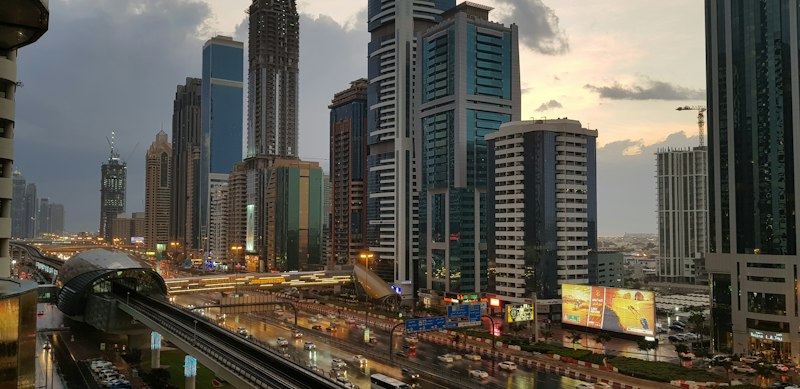
A Major Infrastructure Milestone for Central Dubai
Dubai's Roads and Transport Authority (RTA) has officially completed the Oud Metha Road and Al Asayel Street Development Project — one of the most significant road infrastructure upgrades in central Dubai this decade. With a total investment exceeding AED 800 million, this project represents the largest junction improvement programme in the Bur Dubai corridor since the opening of the Dubai Water Canal in 2016.
The headline numbers are compelling: four grade-separated bridges, two tunnels, 4,300 metres of elevated and below-grade structures, and 14 kilometres of improved roadway. The result is a 50% increase in road capacity (from 10,400 to 15,600 vehicles per hour) and a dramatic 75% reduction in travel time — what used to take 20 minutes at peak hours now takes just five.
For property investors and homeowners in four key neighbourhoods — Zabeel, Al Jaddaf, Umm Hurair, and Oud Metha — this completed infrastructure is already reshaping accessibility, demand patterns, and property values.

The Four Intersection Upgrades: Technical Details
The project targeted four critical intersections that had been chronic bottlenecks for decades. According to the RTA project documentation, the specific upgrades include:
1. Oud Metha Road / Al Ain Road Junction
The most complex intersection in the project. A new three-lane flyover bridge (680 metres) eliminates the traffic-signal bottleneck that caused 15–20 minute delays during morning rush hour. The bridge features a dedicated left-turn ramp connecting Al Ain Road southbound traffic to Oud Metha Road eastbound, removing the most dangerous conflict point at this junction.
2. Al Asayel Street / Healthcare City Interchange
A new underpass tunnel (420 metres) routes through-traffic beneath the Healthcare City access roads, separating hospital-bound vehicles from commuter traffic. The tunnel features smart ventilation systems and LED lane guidance, with a design capacity of 4,200 vehicles per hour in each direction.
3. Oud Metha / Umm Hurair Road Intersection
Two new grade-separated ramps eliminate the four-way signal that previously caused cascading congestion from this junction all the way back to Wafi City Mall. The ramps connect directly to the Dubai–Al Ain Road corridor, providing a seamless link for residents of Umm Hurair to reach Sheikh Zayed Road without encountering a single traffic light.
4. Al Jaddaf / Creek Link Bridge
A new elevated bridge (520 metres) connects Al Jaddaf directly to the Bur Dubai waterfront road network, bypassing the congested ground-level route that previously added 10–12 minutes to journeys between Al Jaddaf and the Creek. This bridge is particularly significant for the growing Al Jaddaf residential community, which has been expanding rapidly with mid-rise apartment towers.
Neighbourhood-by-Neighbourhood Impact Analysis
The RTA has confirmed that the project directly serves four key neighbourhoods, with benefits expected to reach over 420,000 residents by 2030. Here is a detailed analysis of what the upgrade means for each area:
Zabeel
One of Dubai's most established residential districts, Zabeel sits between the Dubai Frame and Downtown Dubai. The neighbourhood combines heritage charm with proximity to power — Zabeel Palace, the World Trade Centre, and the DIFC are all within a 5-minute drive.
Current market: One-bedroom apartments range AED 900,000–1.4M. Villas and townhouses (limited supply) start from AED 3.5M. Gross rental yields average 5.5–6.5%.
Amenities: Zabeel Park (47 hectares of green space), Dubai Frame, multiple schools including Dubai English Speaking School, and Rashid Hospital within walking distance.
Impact: The road upgrade removes Zabeel's remaining friction point — traffic congestion on the Oud Metha arterial that made westbound commuting frustrating. Properties here should see a 10–15% uplift as accessibility to both Bur Dubai and the Business Bay corridor improves significantly.
Al Jaddaf
Al Jaddaf is in the middle of a dramatic transformation from an industrial waterfront zone to a mixed-use residential hub. With Dubai Creek Harbour to its north, the upcoming Blue Line metro station (opening 2029), and a growing cluster of mid-rise residential towers, this area is repositioning itself as one of central Dubai's best-value corridors.
Current market: One-bedroom apartments range AED 650,000–950,000 — still 30–40% below comparable units in Business Bay, which is just minutes away via the improved road network. Studios start from AED 400,000. Gross rental yields of 7.5–9.0% make Al Jaddaf one of the highest-yielding areas in central Dubai.
Amenities: Jaddaf Waterfront promenade, Mohammed Bin Rashid Library (the largest in the Arab world), Culture Village arts district, and direct access to Healthcare City.
Schools nearby: GEMS Wellington International School, The Indian High School, and JSS International School are all within 10 minutes.
Hospitals: Mediclinic Parkview Hospital (5 min), American Hospital (8 min via the upgraded road), and the entire Healthcare City medical cluster.
Future infrastructure: The Blue Line metro station at Al Jaddaf (confirmed for 2029) will add the transit connectivity that is currently missing. Historical data shows properties within 500 metres of a new metro station appreciate 15–25% within three years of opening.
Umm Hurair
Home to Wafi City Mall, Raffles Dubai, and the newly redeveloped Wafi residential precinct, Umm Hurair has always been well-located but constrained by traffic bottlenecks. The four new intersection upgrades specifically target the pinch points that made this neighbourhood difficult to access during peak hours.
Current market: One-bedroom apartments range AED 750,000–1.1M. The Wafi residences command premium pricing for the area. Gross rental yields average 6.5–7.5%.
Amenities: Wafi City Mall (luxury retail and dining), Raffles Hotel, Khan Murjan Souk (traditional Arabian marketplace), Creek Park (96 hectares), and Dubai Dolphinarium.
Schools nearby: Our Own English High School (Al Warqa branch, 10 min), GEMS Our Own Indian School, and multiple nurseries within walking distance.
Hospitals: American Hospital Dubai (direct access via the upgraded road), Mediclinic City Hospital (Healthcare City, 5 min), and Aster Hospital (Mankhool, 8 min).
Impact: The Umm Hurair/Oud Metha grade-separated ramps eliminate the four-way signal that was the area's worst bottleneck. Residents can now reach Sheikh Zayed Road and the Dubai–Al Ain corridor without encountering a single traffic light — a transformative change for daily commuters.
Oud Metha
The namesake neighbourhood benefits most directly from the upgrade. Oud Metha is home to major institutions including American Hospital Dubai, the Lamcy Plaza redevelopment site (a major mixed-use project expected to launch in 2027), several diplomatic consulates, and a cluster of international schools.
Current market: One-bedroom apartments range AED 700,000–1.0M. Older villa stock is increasingly being redeveloped into modern residential towers. Gross rental yields of 7.0–8.5%.
Amenities: American Hospital Dubai (Dubai's premier private hospital), Lamcy Plaza redevelopment, multiple consulates providing international community presence, and proximity to Bur Dubai's cultural quarter.
Impact: Reduced congestion makes Oud Metha substantially more attractive for professionals who need central access without Downtown pricing. The neighbourhood is likely to see increased development activity as land values adjust upward following the infrastructure completion.
Historical Data: How Infrastructure Drives Dubai Property Values
Dubai's real estate market consistently rewards infrastructure investment. Data from the Dubai Statistics Center and independent research by JLL and Knight Frank shows clear, repeatable patterns:
- Dubai Metro Red Line (2009): Properties within 500m of stations in JLT, DIFC, and Internet City saw 18–25% appreciation within 3 years of the line opening, compared to 8–12% for areas without metro access
- Dubai Water Canal (2016): Business Bay properties along the canal corridor appreciated 20–30% more than comparable units further from the waterfront over the subsequent 4 years
- Al Khail Road widening (2018): JVC and JVT properties saw 12–18% price increases as commute times to Sheikh Zayed Road dropped from 25 minutes to 8 minutes
- Expo 2020 infrastructure (2021): Dubai South and Dubai Hills properties near the Expo metro station saw 15–22% appreciation in the two years following the event
The Oud Metha project combines all three elements — bridges, tunnels, and intersection upgrades — across four neighbourhoods that were already positioned for growth. Based on historical precedents, we project an 8–18% price uplift across the corridor over the next 2–3 years, with Al Jaddaf likely seeing the highest percentage gains due to its lower base pricing and the compounding effect of the Blue Line metro arrival in 2029.
Future Infrastructure in the Corridor
The Oud Metha Road completion is not the end of infrastructure investment in this corridor. Several additional projects are planned or underway:
- Blue Line Metro — Al Jaddaf Station (2029): Direct metro connectivity from Al Jaddaf to Dubai Creek Harbour, Dubai Silicon Oasis, and Dubai International Airport
- Dubai Creek Harbour completion (2028–2030): The mega-development north of Al Jaddaf includes the planned Dubai Creek Tower and extensive retail, dining, and marina facilities
- Lamcy Plaza redevelopment (2027–2028): The former shopping centre site in Oud Metha is being transformed into a modern mixed-use complex with residential towers, retail, and commercial space
- Healthcare City Phase 2: Expansion of the medical free zone with new hospitals, research facilities, and supporting commercial infrastructure
Explore Properties in the Oud Metha Corridor
ATAM Properties has exclusive listings across Zabeel, Al Jaddaf, Umm Hurair, and Oud Metha. With the infrastructure now complete, the investment window is open — but pricing is already beginning to adjust.
Get Current Pricing & AvailabilityInvestment Opportunity: Why This Corridor Stands Out
For investors, the completion of this project removes a key risk factor — you are no longer betting on future infrastructure; it is already built and operational. Properties in Al Jaddaf and Oud Metha currently offer gross rental yields of 7–9%, compared to 5–6% in nearby premium areas like Downtown and DIFC.
The combination of strong current yields, completed road infrastructure, the upcoming Blue Line metro, and the Dubai Creek Harbour development makes this corridor one of the most compelling value plays in central Dubai today. Explore our area guides for detailed neighbourhood data, or browse available projects in these locations.

Project Timeline
- 2022 Q2: RTA awards construction contract, mobilisation begins
- 2023 Q1: Ground-breaking on the Al Jaddaf Creek Link Bridge and Oud Metha / Al Ain Road flyover
- 2024 Q3: Al Asayel Street tunnel completed; temporary traffic diversions reduced
- 2025 Q2: Three of four bridges opened to traffic in phased releases
- 2026 Q3: Full project completion; all structures operational
Want to explore properties in these areas? ATAM Properties has listings across all four neighbourhoods. Contact our team for current availability and pricing, or reach us directly on WhatsApp.
Source: Emirates 24|7, September 20, 2026
ATAM Properties
Real estate expert with extensive knowledge of Dubai's property market.
