Dubai vs Abu Dhabi Real Estate: Where Should You Invest?
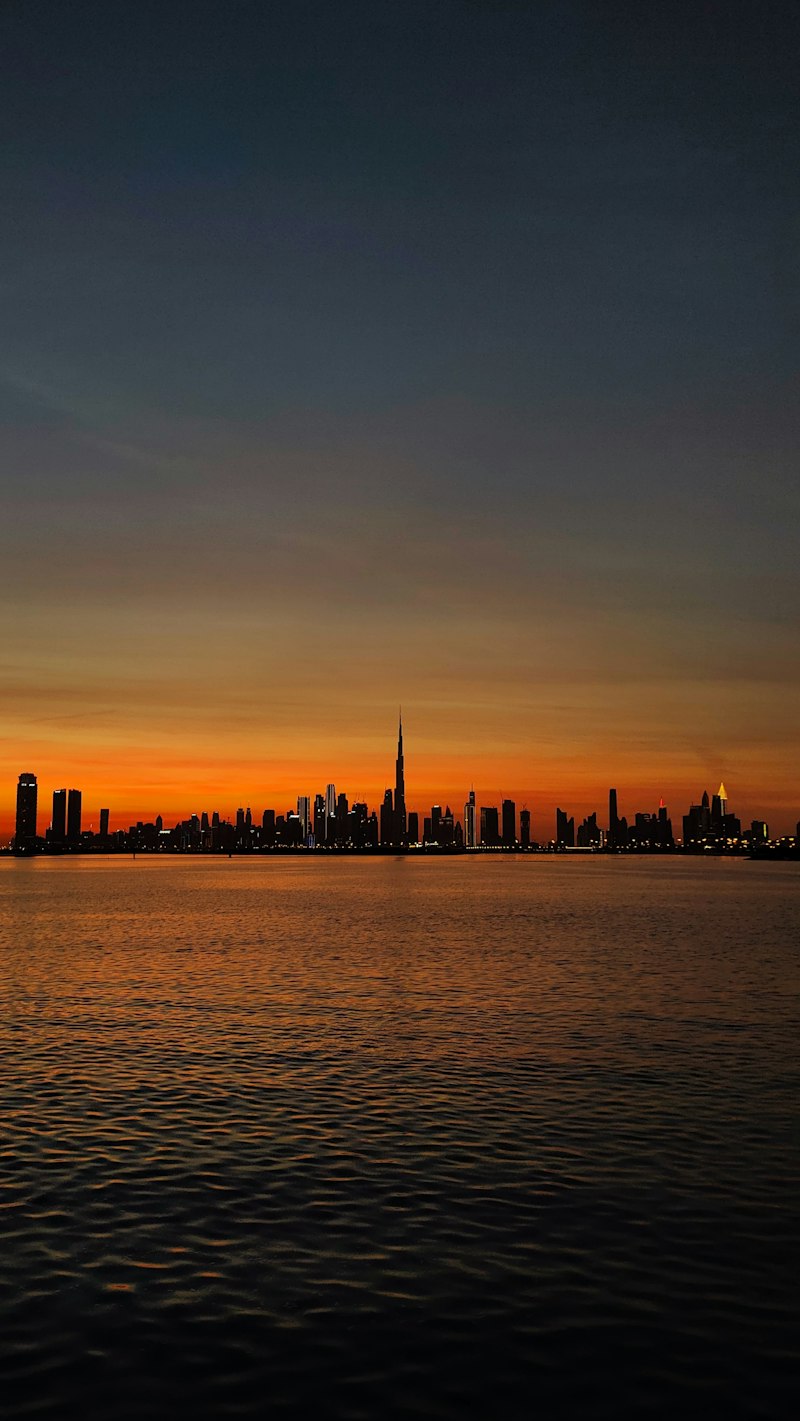
Dubai vs Abu Dhabi Real Estate: Where Should You Invest?
The UAE real estate conversation is overwhelmingly dominated by Dubai — and for understandable reasons. Dubai's transaction volumes, developer marketing budgets, and global visibility dwarf those of any other emirate. But sophisticated investors are increasingly asking a different question: is Abu Dhabi the smarter play right now?
Having operated across both emirates, ATAM Properties sees this as a genuinely nuanced decision rather than a clear-cut winner. Both markets have structural advantages, and the optimal choice depends on variables that generic "Dubai vs Abu Dhabi" articles rarely address. Here is the full picture.
Market Size and Transaction Volume
Dubai's real estate market is significantly larger by every transactional measure. In 2025, Dubai recorded over 180,000 property transactions worth approximately AED 760 billion — both all-time records. Abu Dhabi, by comparison, recorded approximately 22,000 transactions worth AED 84 billion in the same period.
That volume difference matters for investors in practical ways:
- Liquidity: Dubai properties are easier to buy and sell quickly. The depth of the buyer pool — both local and international — means exit strategies are more reliable
- Price discovery: Higher transaction volumes produce better data, making it easier to assess fair market value in Dubai than in Abu Dhabi, where comparable sales can be sparse in some communities
- Market sentiment: Dubai's market is more volatile in both directions — it rallies harder in boom cycles and corrects more sharply in downturns. Abu Dhabi's smaller, more domestically anchored market tends to move more gradually
Comprehensive Comparison
| Factor | Dubai | Abu Dhabi |
|---|---|---|
| Avg Apartment Price/Sq Ft | AED 1,200 – 2,500 | AED 900 – 1,800 |
| Entry-Level Apartment | AED 450K – 700K | AED 350K – 550K |
| Premium Waterfront Apartment | AED 3M – 8M | AED 2M – 5.5M |
| Average Gross Rental Yield | 6.0% – 8.0% | 7.0% – 9.0% |
| 5-Year Price Appreciation | 55% – 80% | 40% – 65% |
| Annual Transaction Volume | 180,000+ | 22,000+ |
| Freehold Zones | 60+ designated areas | 16 designated investment zones |
| Short-Term Rental Market | Mature, highly competitive | Growing, less saturated |
| Service Charges (Avg/Sq Ft) | AED 12 – 25 | AED 10 – 20 |
| Population | 3.8 million | 1.6 million |
| Primary Economic Drivers | Tourism, trade, services, fintech | Government, oil & gas, defense, culture |
| Property Registration Fee | 4% (DLD fee) | 2% (municipality fee) |
| Golden Visa Threshold | AED 2M property | AED 2M property |
Dubai: The Tourism and Trade Engine
Structural Strengths
Dubai's property market is driven by a diversified economic base that has successfully reduced oil dependency to less than 1% of GDP. The emirate's strengths as a property market include:
- Tourism volume: Dubai welcomed over 18 million international visitors in 2025, creating massive short-term rental demand. Communities like Downtown, Dubai Marina, JBR, and Business Bay generate substantial holiday home income
- Corporate relocations: Dubai's positioning as a regional headquarters hub — accelerated by DIFC and ADGM regulatory frameworks — drives executive housing demand in premium communities
- Population growth: Dubai's population has grown by approximately 5% annually over the past three years, driven by foreign talent attraction, visa reforms, and quality-of-life positioning. This organic demand supports both rental and sales markets
- Developer ecosystem: Dubai has the deepest developer market in the region, with Emaar, DAMAC, Nakheel, Sobha, Ellington, and dozens of others providing options across every price segment
- Global awareness: "I own property in Dubai" carries weight internationally in a way that "I own property in Abu Dhabi" does not yet — this brand premium is real and reflected in resale demand
Challenges and Risks
- Overheating concerns: Some Dubai sub-markets are showing signs of price elevation that exceed rental yield support. When gross yields compress below 5%, capital growth must do the heavy lifting — and that requires continued price appreciation
- Supply pipeline: Dubai has approximately 60,000–70,000 residential units scheduled for delivery in 2026–2027. While not all will materialize on schedule, the supply volume is significant and could temper price growth in certain communities
- Higher entry costs: The 4% DLD transfer fee, premium pricing, and higher service charges mean total acquisition costs in Dubai are materially higher than Abu Dhabi. A AED 2 million purchase in Dubai costs AED 80,000 in transfer fees alone; the same purchase in Abu Dhabi costs AED 40,000
Abu Dhabi: The Stability Play
Structural Strengths
Abu Dhabi's property market operates on fundamentally different dynamics. As the UAE capital, with sovereign wealth estimated at over USD 1.5 trillion through ADIA and Mubadala, the emirate has an economic floor that Dubai simply does not possess.
- Government employment base: A significant proportion of Abu Dhabi residents are employed in government or government-linked entities, providing stable, recession-resistant rental demand
- Oil sector salaries: ADNOC and related energy companies employ tens of thousands of well-compensated professionals, many of whom are long-term tenants with limited price sensitivity
- Lower entry prices: On average, Abu Dhabi properties are 20–30% cheaper per square foot than equivalent Dubai properties. Saadiyat Island waterfront apartments trade at AED 1,200–1,800 per square foot — significantly below comparable Palm Jumeirah or Bluewaters pricing in Dubai
- Lower transaction costs: Abu Dhabi's 2% municipality registration fee versus Dubai's 4% DLD fee saves investors substantial capital at acquisition and disposal
- Emerging tourism infrastructure: The Louvre Abu Dhabi, Guggenheim Abu Dhabi (opening 2026), Natural History Museum, Yas Island (Ferrari World, Warner Bros, SeaWorld), and the F1 Grand Prix are building a tourism ecosystem that, while smaller than Dubai's, is growing rapidly
- Higher yields: The combination of lower purchase prices and competitive rents produces gross yields consistently 1–2 percentage points above Dubai equivalents
Challenges and Risks
- Liquidity constraints: With far fewer transactions, selling a property in Abu Dhabi can take longer. This is especially true for properties in less established communities or at higher price points
- Limited freehold zones: Abu Dhabi has 16 designated investment zones compared to Dubai's 60+, restricting foreign ownership options and reducing diversification potential within the emirate
- Smaller rental pool: Abu Dhabi's population is less than half of Dubai's, and international awareness is lower, meaning the prospective tenant and buyer pool is structurally smaller
- Oil dependency perception: While Abu Dhabi has diversified significantly, international investors still associate the emirate with oil — and any sustained decline in oil prices can dampen market sentiment even if the direct economic impact is limited
- Short-term rental limitations: Abu Dhabi's short-term rental market is less developed and regulated differently than Dubai's, reducing the holiday home income potential that drives premium returns in some Dubai communities
Key Abu Dhabi Investment Zones
Yas Island
Yas Island has emerged as Abu Dhabi's most dynamic investment zone. Home to Ferrari World, Yas Waterworld, Warner Bros World, and the F1 circuit, the island combines entertainment infrastructure with residential development. Apartments on Yas range from AED 700,000 to AED 2.5 million, with gross yields of 7.5–9%. The island's ongoing development — including the Yas Bay waterfront entertainment district — continues to add amenities and drive demand.
Saadiyat Island
Saadiyat is Abu Dhabi's cultural and luxury destination, anchored by the Louvre Abu Dhabi and the forthcoming Guggenheim. Residential prices range from AED 1.2 million for apartments to AED 15 million+ for beachfront villas. The island appeals to a wealthier, culture-oriented buyer profile and offers a lifestyle proposition distinct from anything in Dubai. Yields are lower (5.5–7%) but capital appreciation has been strong — approximately 50% over five years for prime positions.
Al Reem Island
Al Reem Island is Abu Dhabi's high-density residential hub, offering the closest equivalent to Dubai Marina or JLT in terms of apartment living. Prices are accessible (AED 500,000–1.5 million for most apartments) and yields are attractive (7.5–9%). The island benefits from its proximity to Abu Dhabi Corniche, ADGM on Al Maryah Island, and the central business district.
Cross-Emirate Portfolio Strategy
The most sophisticated approach — and the one we advocate at ATAM Properties for clients with sufficient capital — is to hold positions in both markets. Each emirate serves a different function within a diversified UAE property portfolio:
- Dubai allocation (60–70%): Provides liquidity, capital appreciation potential, short-term rental income, and global resale appeal. Focus on established communities (Downtown, Marina, Dubai Hills) and high-yield areas (JVC, Dubai South) depending on risk appetite
- Abu Dhabi allocation (30–40%): Provides yield enhancement, economic stability exposure, lower acquisition costs, and portfolio diversification. Focus on Yas Island for balanced returns, Al Reem for yield, or Saadiyat for long-term capital growth
This blended approach hedges against emirate-specific risks. If Dubai faces a supply-driven correction, Abu Dhabi's government-supported demand provides ballast. If oil sentiment weighs on Abu Dhabi, Dubai's tourism and trade diversification provides resilience.
Regulatory Differences Worth Noting
- Registration fees: Dubai charges 4% DLD fee; Abu Dhabi charges 2% municipality fee — a meaningful difference on large transactions
- Rental increase caps: Dubai uses the RERA rental index to govern allowable rent increases; Abu Dhabi has a cap of 5% annually for existing tenancies
- Off-plan regulation: Dubai's escrow account requirements and RERA oversight of off-plan sales are more mature and transparent than Abu Dhabi's, though Abu Dhabi has strengthened its regulatory framework considerably since 2020
- Visa benefits: Both emirates offer Golden Visa eligibility for AED 2 million property purchases, providing 10-year residency. The visa is UAE-wide, so property in either emirate qualifies
The Verdict
There is no universal answer to "Dubai or Abu Dhabi" — only the right answer for a specific investor's circumstances. Dubai offers higher liquidity, stronger brand recognition, superior short-term rental potential, and a larger, more diverse market. Abu Dhabi offers higher yields, lower entry costs, reduced transaction fees, and economic stability underpinned by sovereign wealth.
If you are a first-time UAE investor with limited capital, Abu Dhabi may offer a more forgiving entry point with better yield protection. If you are building a globally visible portfolio with exit flexibility, Dubai remains the primary market. If you have the capital for both, a cross-emirate strategy provides the best risk-adjusted returns.
Navigating the Dubai and Abu Dhabi markets requires ground-level insight, not internet research. ATAM Properties operates across both emirates and provides data-driven guidance on community selection, developer evaluation, and portfolio construction. Contact our team to discuss your cross-emirate investment strategy — we will tell you what the data actually says, not what you want to hear.
ATAM Properties
Real estate expert with extensive knowledge of Dubai's property market.
